I’ve been invited to speak about Bellis at the 8th Global Botanic Gardens Congress which is being hosted by Singapore Botanic Gardens, the world’s second best botanic garden*.
Established in 2003, Bellis is an award-winning pocket botanic garden, an 815 square metre property on a peculiar, ancient acid sulphate soil. This Queensland government sustainability project is located in suburban subtropical Brisbane near Moreton Bay, Australia.
Global environmental issues make individuals and household feel irrelevant, disempowered to act and unable to contribute in a significant way. This project – now twenty years old – is designed to give home gardeners agency. Much has been measured, documented and evaluated to demonstrate just how powerful a small household can be, starting with a reduction in the cost of living.
In 2003, retrofitting for sustainability, including landscaping, cost A$37,500 and this was factored in to the mortgage. That sum was less than a new family Sport Utility Vehicle.
This project is an affordable model that private households can adopt to counter vital issues threatening the well-being of humanity and the liveability of our cities: climate change, food and water security, the conservation of soil, of biodiversity, and of our horticultural heritage, using off the shelf technology and local businesses to create a carbon-positive lifestyle, involving the use of ancient and unusual crops, the localisation of crop cultivars, the creation of new plant cultivars, and growing climate change-ready species.
Bellis is the only household in Queensland where wastewater is treated on site and used to irrigate crops. Over one megalitre of wastewater has been recycled to irrigate the food garden. During the Millennium Drought (2001 – 2010), a surplus of food was grown using one litre of wastewater per square metre per day plus natural rainfall.
Bellis uses a Whole of Site Water Management Plan which encourages rain to slow down and move vertically through the soil profile. This is the exact opposite of what town planners and landscape architects do – their designs treat stormwater as undesirable, sending it horizontally offsite as quickly as possible. Rather than rehydrating our urban landscapes during the Climate Emergency, their designs deliberately waste it and their designs are succeeding in drying out and heating up our cities.
By contrast, one of Bellis’s greatest achievements was between 25 – 28.2.22, when 803mm rain fell and almost all of this was captured on site.
Between 2003 and 2010, soil carbon sequestration of 6.4% was measured by Sydney Soil and Environmental Laboratory P/L, which enhanced the rainwater holding capacity of the 665 square metre garden by over 125,000 litres.
Over the past twenty years, an average of one megalitre of rainwater is captured by soil and the rainwater tank each year, while stormwater runoff has almost been eliminated.
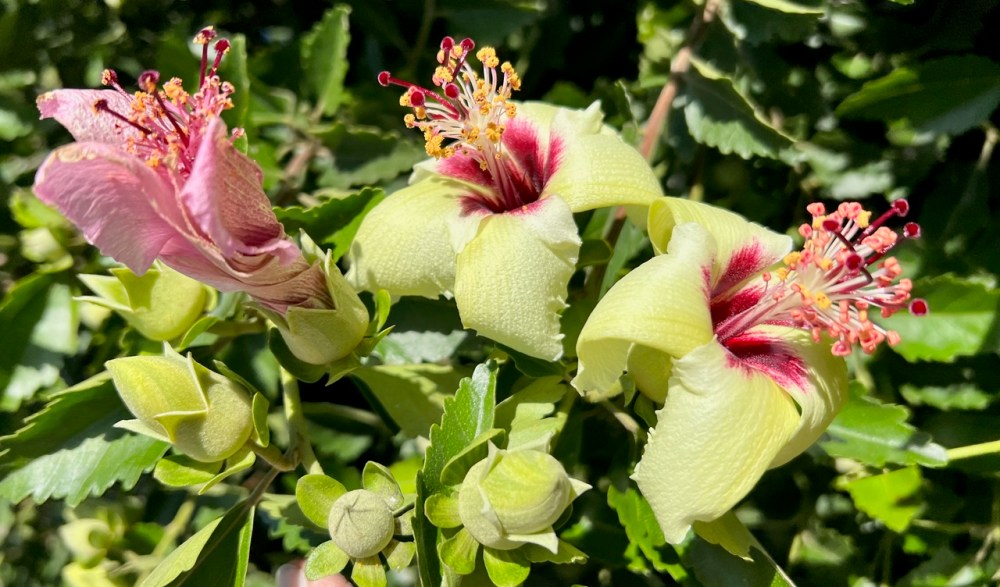
Bellis is a dynamic germplasm bank with over 500 taxa**, including some species and cultivars not available commercially, growing in the garden, nursery, and held in the seed store. The plant collection is more species rich per square metre than many state and regional botanical gardens, in fact it is more species-rich per square metre than either the Royal Botanic Gardens, Melbourne or the Royal Botanic Gardens, Sydney.
The 300 square metre food garden and lawn average 10 earth- and composting worms per square metre and the fertile, pH adjusted soil produces a surplus of food of between 70 and 170 taxa whatever the weather. Surplus food, seed, plants and preserves are traded and shared with the community.
A fauna checklist of 572 species***, verified by Museums Victoria, has documented the arrival of animals into the garden, formerly just lawn, including threatened species, new location records for species, twenty six species of native bee, as well as at least three species new to science.
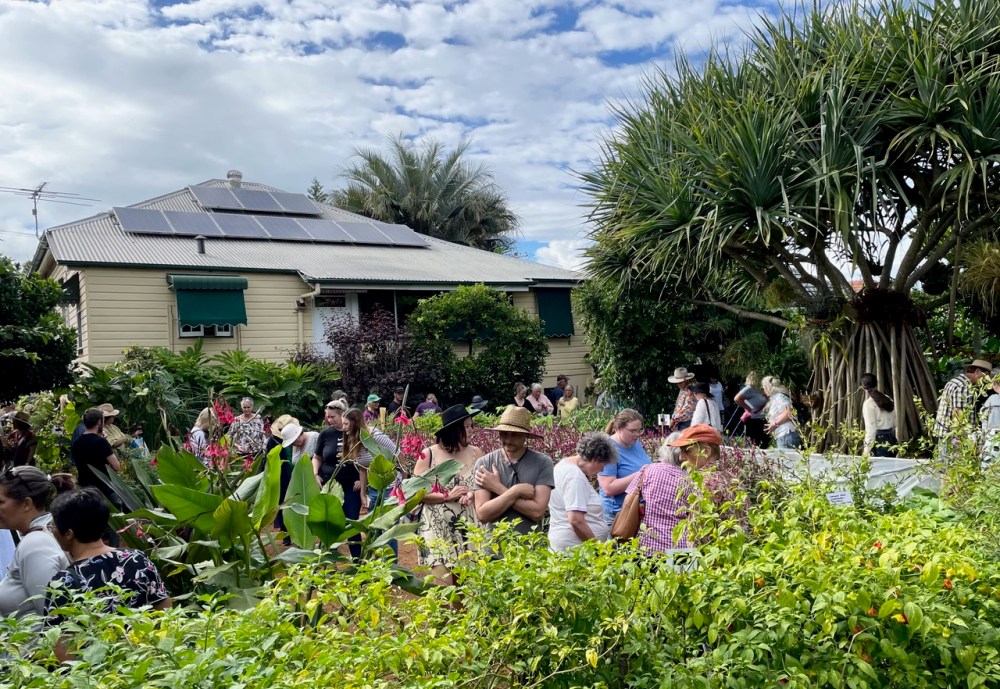
The annual Bellis Open Day attracts around two thousand visitors. Foreign students studying sustainable food production and beneficial biodiversity also visit, including students from the Singapore Parks Board (2019). Where biosecurity laws permit and import permits have been issued by the relevant authority, plants have been exported to other countries as seed or bulbs.
Its founder, Jerry Coleby-Williams, has spoken about Sustainable Food Production at the United Nations in Geneva (2017****). He has been presenting stories on this topic on national television for 25 years, on live gardening talkback radio for 29 years, and he answers 15,000 gardening questions each year.

This website – http://www.jerry-coleby-williams.net – and its founders’ social media page, are followed in 132 countries. The website is on the Australian National Archive.
* The Royal Botanic Gardens, Kew, Jerry Coleby-Williams’ alma mater, is the world’s foremost botanic garden;
** 2,800 plant species recorded across Greater Brisbane Region, Wild Plants of the Greater Brisbane Region, Queensland Museum, ISBN 0-9751116-2-0 (2003);
*** Land for Wildlife – Brisbane (Wildlife Conservation Partnerships Program)’s Journal records 10,879 species for all of SE Qld on 12.2.24;
**** Meetings of the Conferences of the Parties to the Basel, Rotterdam and Stockholm Conventions (BRS COPs), Geneva, 24.4 to 5.5.2017;
 Jerry Coleby-Williams
Hi Jerry, Congratulations. What a marvellous testament to your achievements. Best wishes. Anne
Dear Jerry, you are an amazing man, if only everyone contributed a portion of what you’ve achieved, our planet wouldn’t be struggling to maintain a balance. Councils and developers need to take on board your knowledge and strategies to avoid or minimise the devastation from past weather events. Thank you for sharing your expertise, you are a wonderful man
You are very kind. Thank you 🙂