Hi Jerry,
I have been promoting Grevillea as good plants for stingless bees for many years, so I was shocked to learn that Silky Oak (and some other) Grevillea contain hydrogen cyanide in their nectar. My problem is, other than silky oak, I can’t find a list of the poisonous varieties. Is there a list? I’d like to promote the non toxic varieties to native bee keepers.
Thank you. D. of the Australian Native Bee Association
Reply: People can be surprised when they learn new information. Context is vital.
Audiences are shocked to learn that green pineapple is toxic. Why aren’t they labelled as such? The cultural norm is that pineapple is eaten when ripe. At that stage they are non toxic. It’s so hard to eat a hard, bitter, green pineapple. So in this instance, no labels required.
Many gardeners know that handling grevilleas can lead to an allergic response. Novices quickly learn why wearing gardening gloves gives protection from the contact dermatitis they may cause. Felling, arboriculture, milling, carpentry and working with Grevillea robusta plants and its sawdust also leads to contact dermatitis.
The chemical responsible is tridecylresorcinol, a compound related to highly allergenic Toxicodendron. (Due to its acute toxicity, growing Toxicodendron has been illegal in Australia for decades).
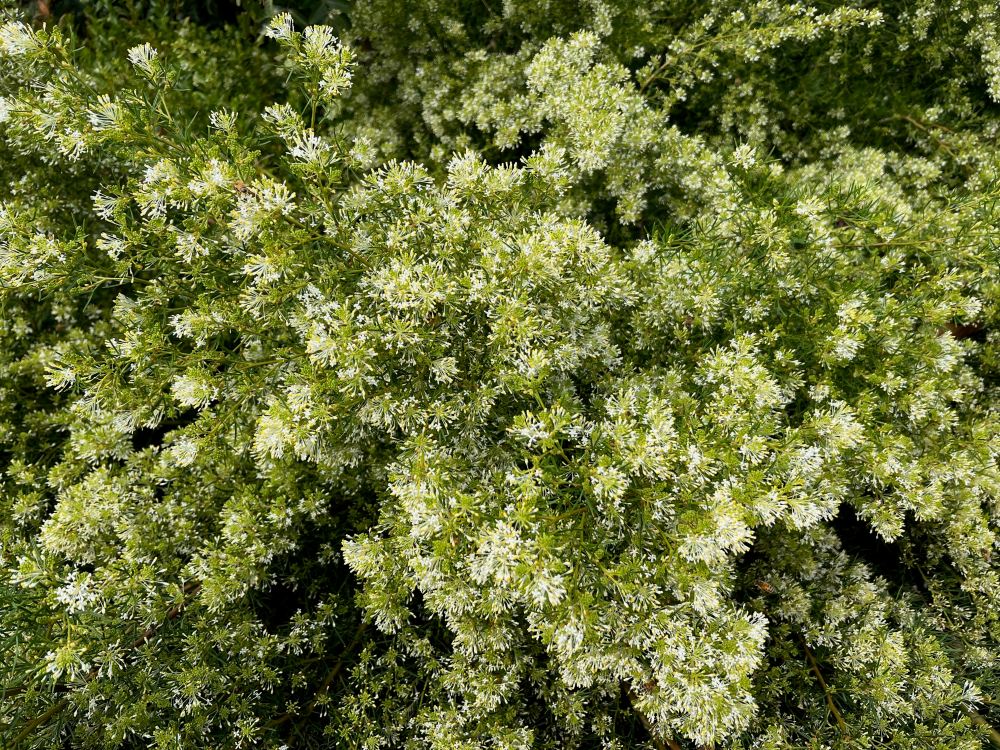
Grevillea flower buds, seed pods and seeds are cyanogenic, that is, they conduct sap capable of manufacturing hydrogen cyanide on exposure to air. This toxin is a defence against grazing, nibbling pests which expose themselves to sap. Some pests have adapted to consuming certain levels of cyanide. Others accumulate it so they in turn become toxic and unpalatable to predators. I’m always hopeful that possums will overdose on hydrogen cyanide in my cassava leaves, but I’ve never found any corpses.
As I celebrate a personal milestone of working with Gardening Australia for over twenty five years, one of my favourite television gardening stories was recorded with Dr Ross McKenzie, one of Australia’s most important toxicologists.
That story emphasised his point: “The animal species, the dose and the circumstances make the poison”. Why? Each species reacts differently to a toxin. Dr Mackenzie spent 37 years studying toxic plants across Australia and their effects on humans and livestock.
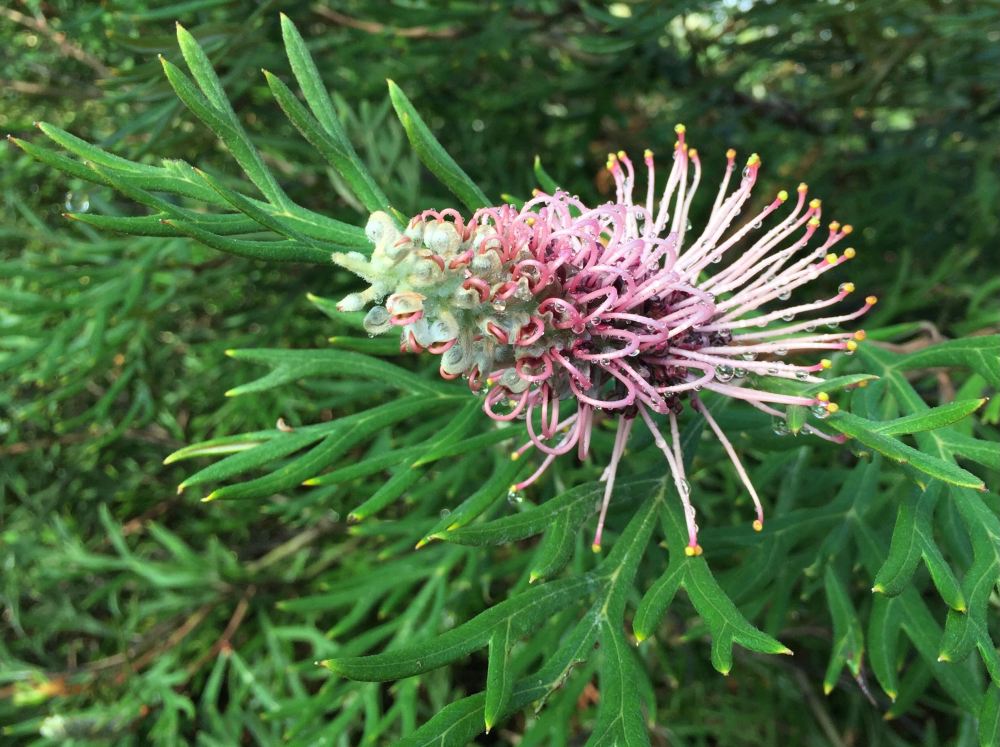
Dr McKenzie rates all Grevillea as low risk poisonous plants. Look up Grevillea robusta and the only records of harmful effects is to humans through contact dermatitis and herbivores through cyanogenic glycosides by eating young leaves, both of which I have explained.
Honeybees don’t rank highly amongst pollinators in their ability to metabolise toxins and they are exposed to a myriad of them through foraging in megadiverse Australian bushland. Bees come into contact with pollen and nectar, not sap.
Honeybees with a healthy gut flora have two lines of protection: their own metabolism and that of their gut flora. I don’t know and can’t comment on how pesticide treatment for varroa mite affects honeybee gut flora in the short or long term.
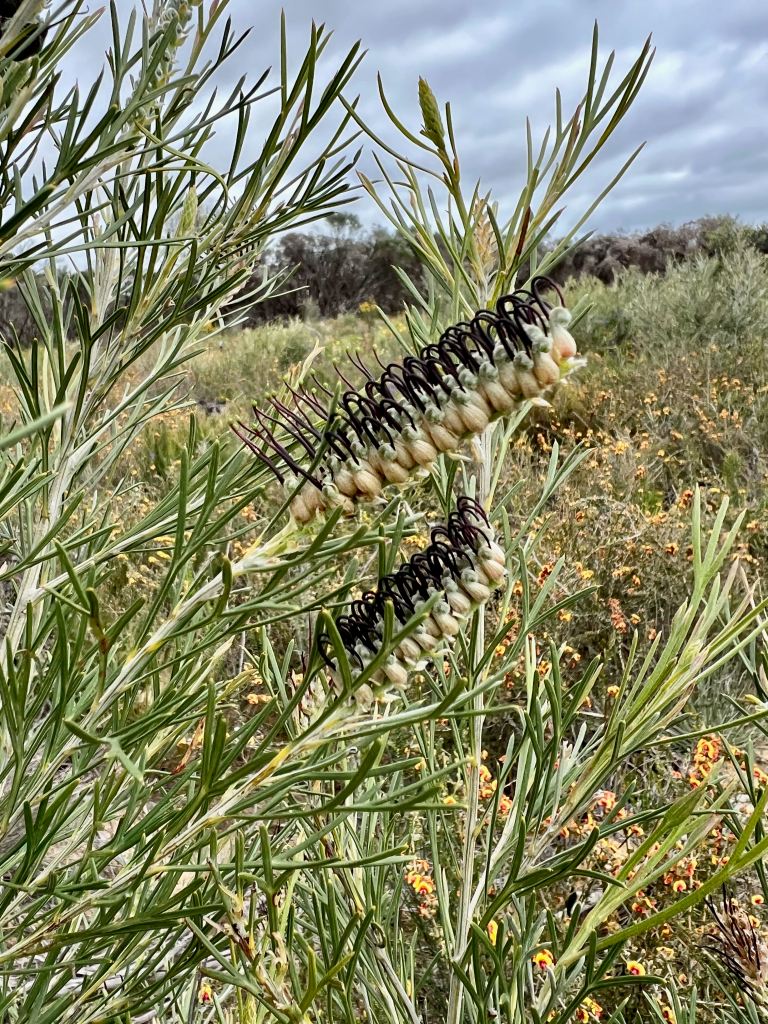
Grevillea robusta is grown worldwide. I used to grow them for summer bedding displays in London. It is planted for shade, shelter, timber and as a source of honey on tea and coffee plantations in warm climates worldwide – I’ve posted on Facebook about this when in South America and South Asia – and for agroforestry elsewhere, especially in Africa.
Nectar and pollen are rewards that entice pollinators. If honeybees or other pollinators of Grevillea robusta, including megabats, marsupials, birds and stingless bees – exhibited poisoning by consuming pollen and nectar, we would already know.
An equally valid parallel question is why is it that honeybees foraging on almond (Prunus amygdalus) flowers don’t get poisoned by their amygdalin containing, cyanogenic flowers? Answer – because this specific poison is broken down and rendered harmless by bees and the microbes in their gut microbiota: “The animal species, the dose and the circumstances make the poison”.
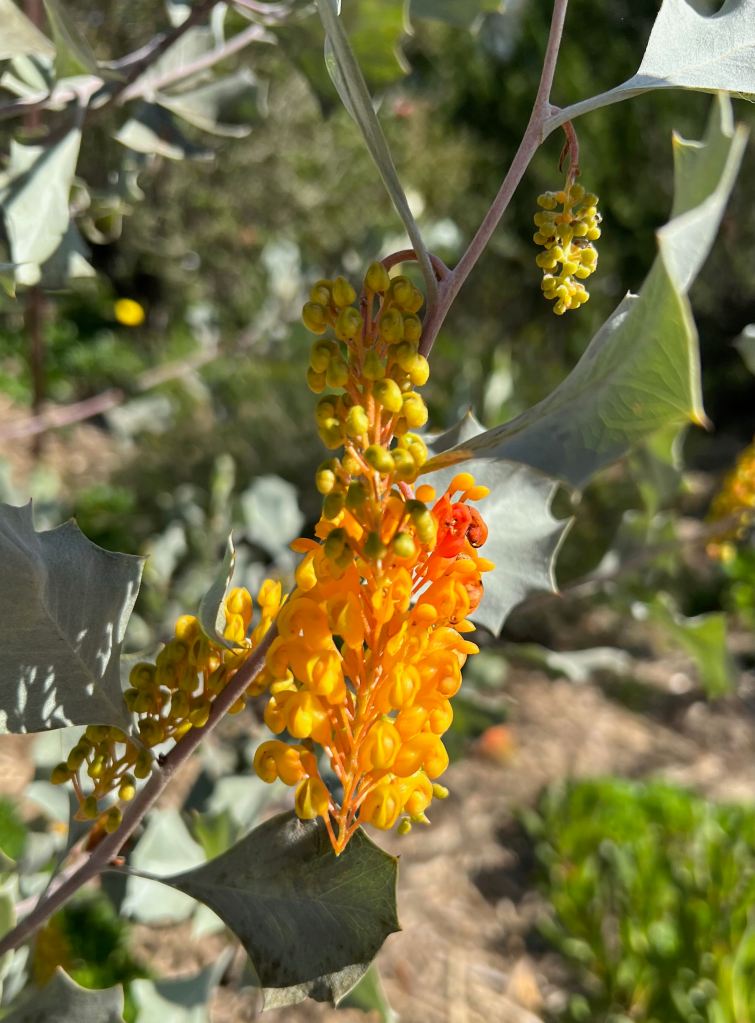
Keep recommending growing grevilleas for pollinators of many kinds. Just inform novices Grevillea robusta can become a local weed and they must always wear gloves when handling them.
Cheers,
Jerry Coleby-Williams
Director, Seed Savers Network
Patron HOPE Australia
16th January 2025
 Jerry Coleby-Williams
Wow, this is so interesting, thankyou Jerry.
Yes, thank you Jerry for another fascinating article. I never knew that green pineapples were toxic.