I went down a rabbit hole talking quince (Cydonia oblonga) with Millie Ross at the Queensland Garden Show and then again on talkback gardening with Kristy Reading ABC New England North West.
Quince are one of the most aromatic of temperate fruits, the fragrance as they ripened in our fruit store in our London garden takes me back to my childhood.
I first learned what a quince is when I discovered them fruiting in Violet’s garden, our neighbour had a row of them planted as a fruiting hedge on her side of our shared fence in her Dig for Victory (WWII) garden.
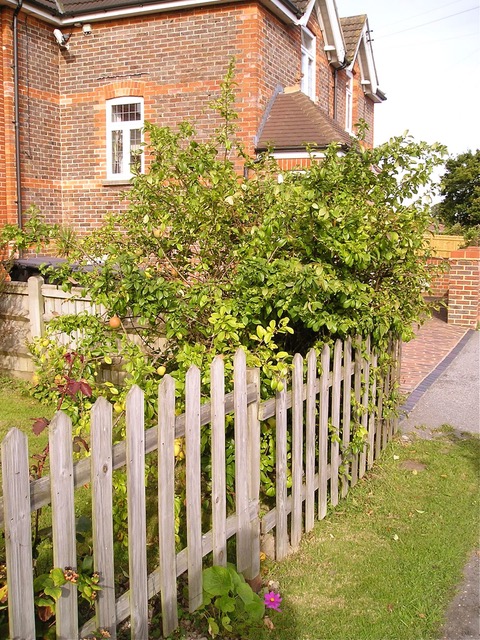
My great grandad grew them in his market garden and sold them at his grocer’s shop. Olive, Vera, Eric, Barbara, Flo and Nettleton (my great aunts and great uncles) gave these traditional fruit trees the care they deserved.
We added quince fruit when making home grown apple and blackberry jam because they are loaded with pectin.
Only in a very warm climate will quince fruit ripen sufficiently to eat raw (think Emerald, QLD), otherwise almost all the time they must be cooked first. Bottled quince and quince jam are a delicacy, ideal Xmas gifts when you’re stuck.
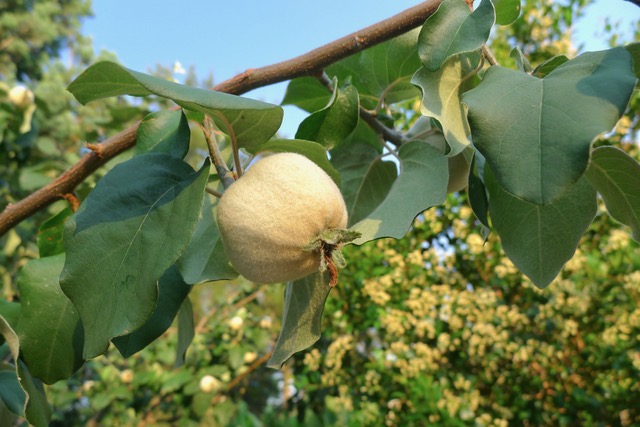
Introduced to England by the Romans, quince is native to the Caucasus and Central Asia. The Portuguese coined the term ‘marmalada’ for quince jam, a name which gradually evolved into marmalade when people forget its roots and associated it solely with citrus.
A websearch reveals nine cultivars are available commercially: Champion, De Vrajna (syn. Berezki), Pineapple, Powell’s Prize, Smyrna, Van de Man, De Bourgeaut, Appleshaped, and Portugal.
Winter is the ideal time to plant one of these long-lived fruit trees for legacy.
Quince is more commonly grown in Australia as dwarfing root stock for apple and pear, but grown on their own roots they develop their early, twisted character with age and are surprisingly drought and cold tolerant. With irrigation, they thrive in the New England climate of NSW.
Interested? Flowering quince, Chaenomeles japonica, is a commonly grown shrub in temperate gardens, primarily sold to provide beautiful spring blossom, their fruit are interchangeable with quince.
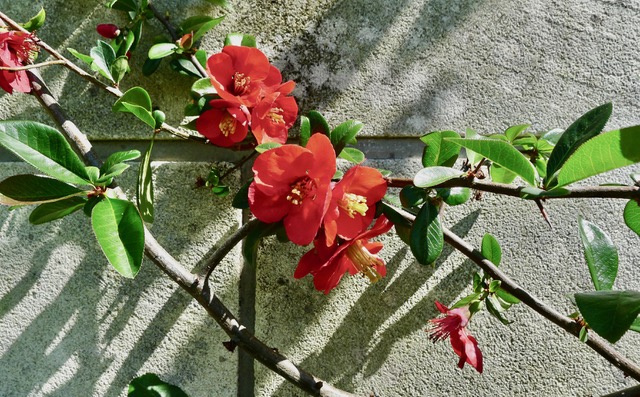
Quince (and Chaenomeles) put the ‘rustic’ into a country garden, these shrubs or small trees show a gardener really knows their onions.

I woke to a house filled with the aroma of quince. Thanks to Perry’s Fruit Market, Wynnum, next up, it’s quince jelly!

http://www.woodbridgefruittrees.com.au/10-quinces
Jerry Coleby-Williams
Director, Seed Savers Network
24th July 2025
 Jerry Coleby-Williams